
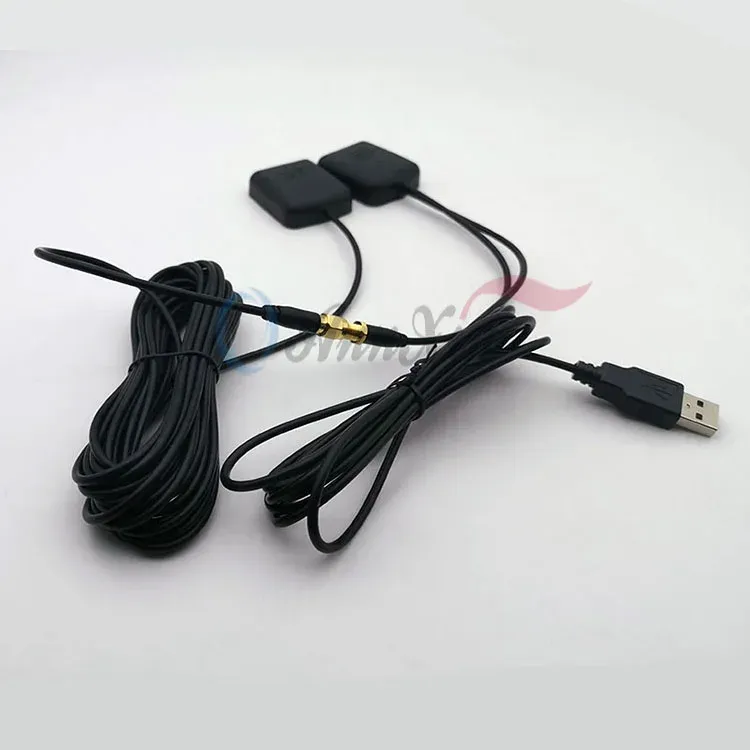
AN045-GPSBDGPS / BeiDou Vehicle Repeater Kit
The AN045-GPSBD is a split vehicle positioning repeater kit with a receiving unit, an in-cabin transmitting unit and USB power. Match the assembly to the intended receiver and vehicle layout using the supplied specification and photos.
- Source center frequencies
- 1575.42 / 1602 MHz
- Supply voltage
- DC USB 5 V
- Assembly
- Two-unit vehicle kit
Technical Specifications
| Source center frequencies | 1575.42 / 1602 MHz |
|---|---|
| Input impedance | 50 Ω |
| Source VSWR | ≤ 1.5 |
| LNA gain (amplifier) | 29 ± 3 dB |
| Supply voltage | DC USB 5 V |
| Model reference | AN045-GPSBD |
|---|---|
| Assembly | Split receiving and transmitting units |
| RF coupling connection | SMA connection shown in supplied document |
| Source housing dimensions | 45 × 38.71 × 13.14 mm |
Values above are transcribed from the supplied vehicle repeater specification. LNA gain describes the amplifier, and should be distinguished from antenna radiation gain. Confirm receiver compatibility and the approved kit configuration before ordering.
Documents
Application & Fit
Use the receiving and in-cabin units as the paired assembly described in the supplied document. Confirm USB power, the SMA interconnection, receiving-unit mounting position and the relative locations of both units in the vehicle during a sample trial.
AN045-GPSBD Vehicle Positioning Kit
This split GPS/BeiDou vehicle repeater assembly includes receiving and transmitting units and a USB power lead. Review the product photos to identify the intended two-unit configuration and its interconnection before requesting samples.
Receiver Fit and Installation
The supplied document lists center frequencies of 1575.42 and 1602 MHz and a DC USB 5 V supply. Match these values to the receiver and kit version. Plan unit placement and metal obstruction around the receiving path, and validate operation in the actual vehicle layout.
RFQ and Sample Approval
Specify the intended receiver, vehicle mounting positions, cable lengths, USB power arrangement and sample quantity. Refer to the original specification for the installation layout, then approve an identified sample before production.
GNSS Receiver and Satellite-Band Matching
For a GPS antenna or GNSS positioning antenna shortlist, identify the receiver’s supported satellite signals and RF input. Confirm whether the chosen antenna is active or passive, the applicable bias supply and cable attenuation. A GPS/BeiDou or GPS/GLONASS label should be checked against the exact assembly specification before a tracking or navigation trial.
FAQ
What should I specify when ordering AN045-GPSBD?
Identify AN045-GPSBD and the desired gallery view. Provide the radio band, connector interface, cable length, installation drawing and sample quantity. Match the receiver’s satellite bands and active-antenna input before selecting the assembly. Establish whether DC bias is required, then confirm the supply voltage, cable loss and sky-view location for the quoted version.
Is the GPS / BeiDou designation sufficient for antenna selection?
Compare the exact transmit and receive ranges with the radio documentation. Request band-by-band RF data for the quoted version and verify the sample in the intended installation.
How do I match the antenna to my GNSS receiver?
Match the receiver’s satellite bands and active-antenna input before selecting the assembly. Establish whether DC bias is required, then confirm the supply voltage, cable loss and sky-view location for the quoted version.
What should a production inspection record include?
Keep the approved model and image reference, connector and dimensions, cable specification, sample revision and agreed RF limits on the purchase order. Define the measurement fixture and reference plane so incoming inspection can repeat the check.
Related Antennas
Production, Testing & Packing
A look inside the ANNXIN workshop. Discuss the required tests and packing configuration for your selected model.

Production workshop
Assembly workbenches and production staff in the ANNXIN workshop.

RF testing at the workbench
An operator connecting an assembly to RF test equipment on the production line.
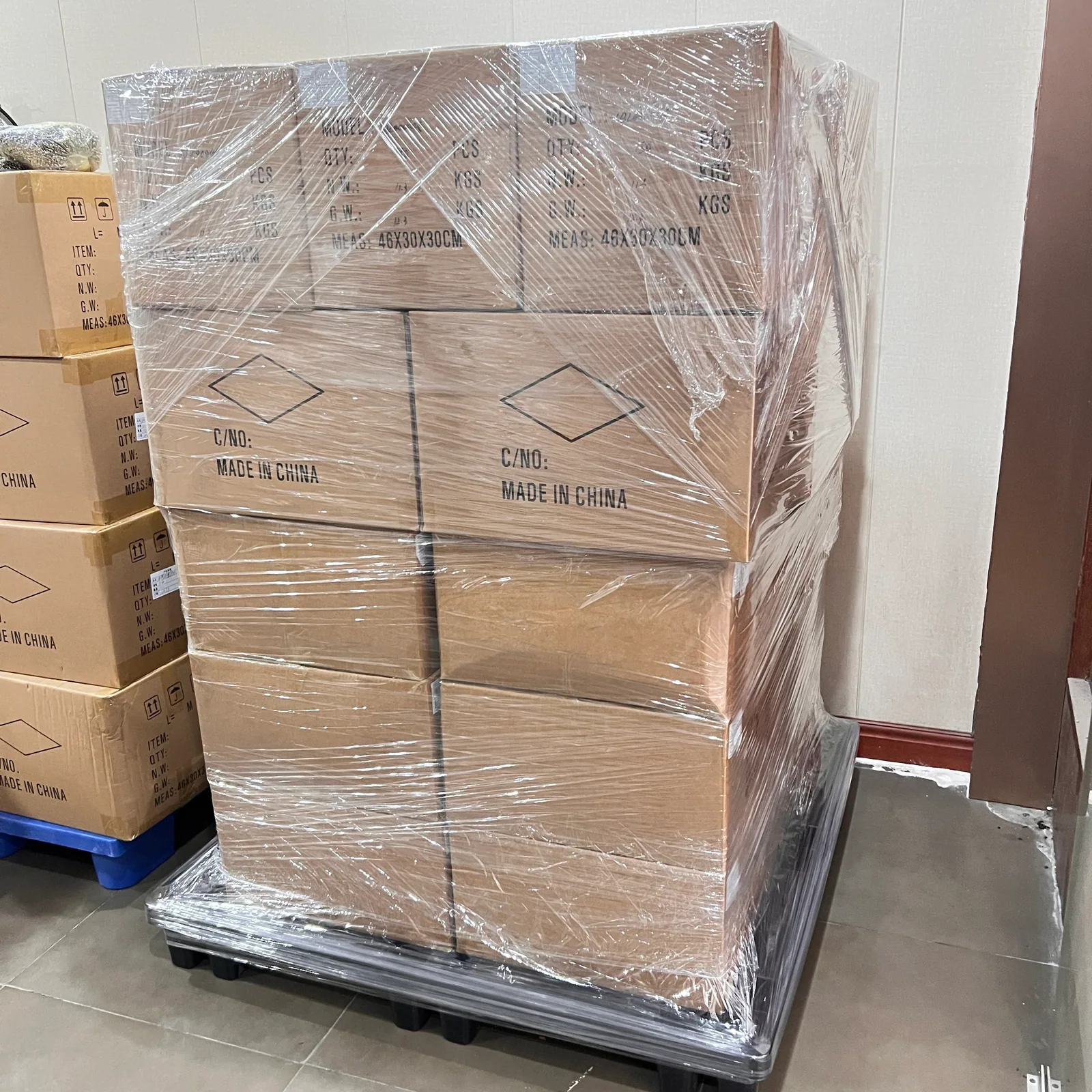
Packing & Shipment
Shipping cartons stacked on pallets and secured with protective stretch wrap at ANNXIN.
Request a Quote
Ask about the AN045-GPSBD, specify your required band and let us know if you need samples.
Contact ANNXIN